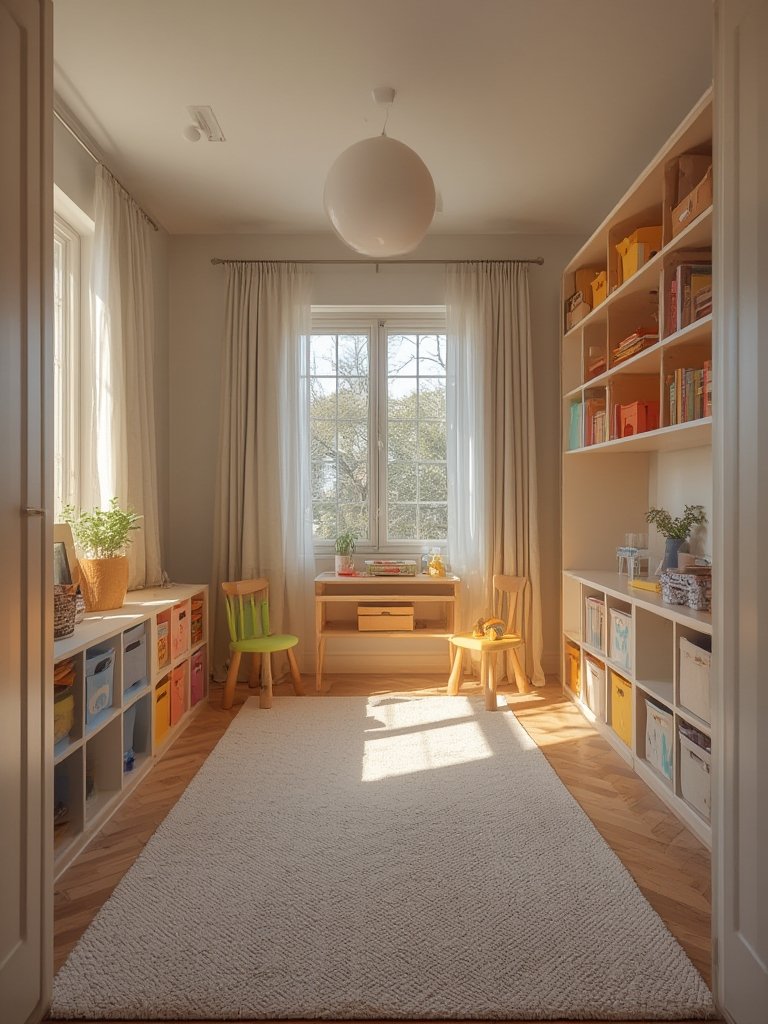

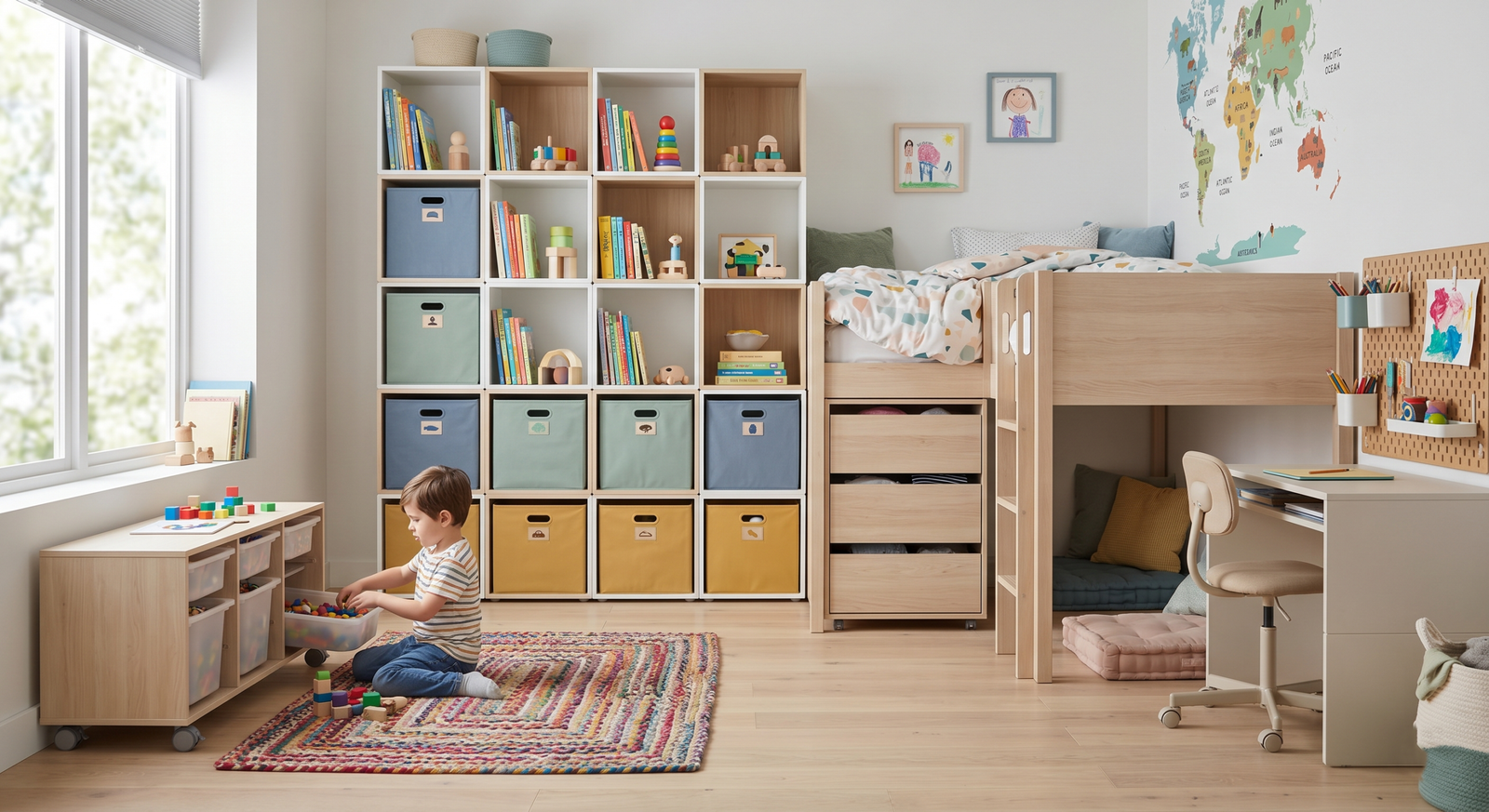
Modular storage furniture for kids rooms can solve tight square footage and support child led independence when chosen for the right reasons.
Key Takeaways
- Pick truly modular pieces that stay usable as your child grows and match child sized access for Montessori style independence.
- Watch for durability issues common in cheap kits and check assembly and weight limits before you buy.
- Use a simple decision framework based on room size child age and primary storage needs to choose between budget kits and premium systems.
- Why Modular Storage Furniture Matters in Small Kids Rooms
- What Parents Complain About Most in Modular Kids Storage Systems
- Montessori Style Toy Storage for Small Bedrooms What Competitor Content Misses
- Best Price Ranges and Lifespan Expectations in 2024–2026
- How Montessori Principles Show Up in Real Furniture Designs
- What to Look for in Specs Dimensions Materials Weight Limits and Modularity
- Real Families Before and After Room Transformations
- How to Choose the Right Modular Setup for Your Space
- Conclusion
- FAQ
Why Modular Storage Furniture Matters in Small Kids Rooms
Families in apartments small homes or shared bedrooms juggle two connected problems. They need to contain toys and clothes within a limited footprint while also creating a calm space that supports independence and daily routines.
Modular storage furniture for kids rooms and flexible kids storage systems answer both needs by offering configurable layouts that adapt to changing toys clothing and age. A stackable unit can be a low shelf for a toddler today and a taller book and wardrobe system for a school age child next year. That flexibility reduces furniture churn and maximizes limited square footage.
What Parents Complain About Most in Modular Kids Storage Systems
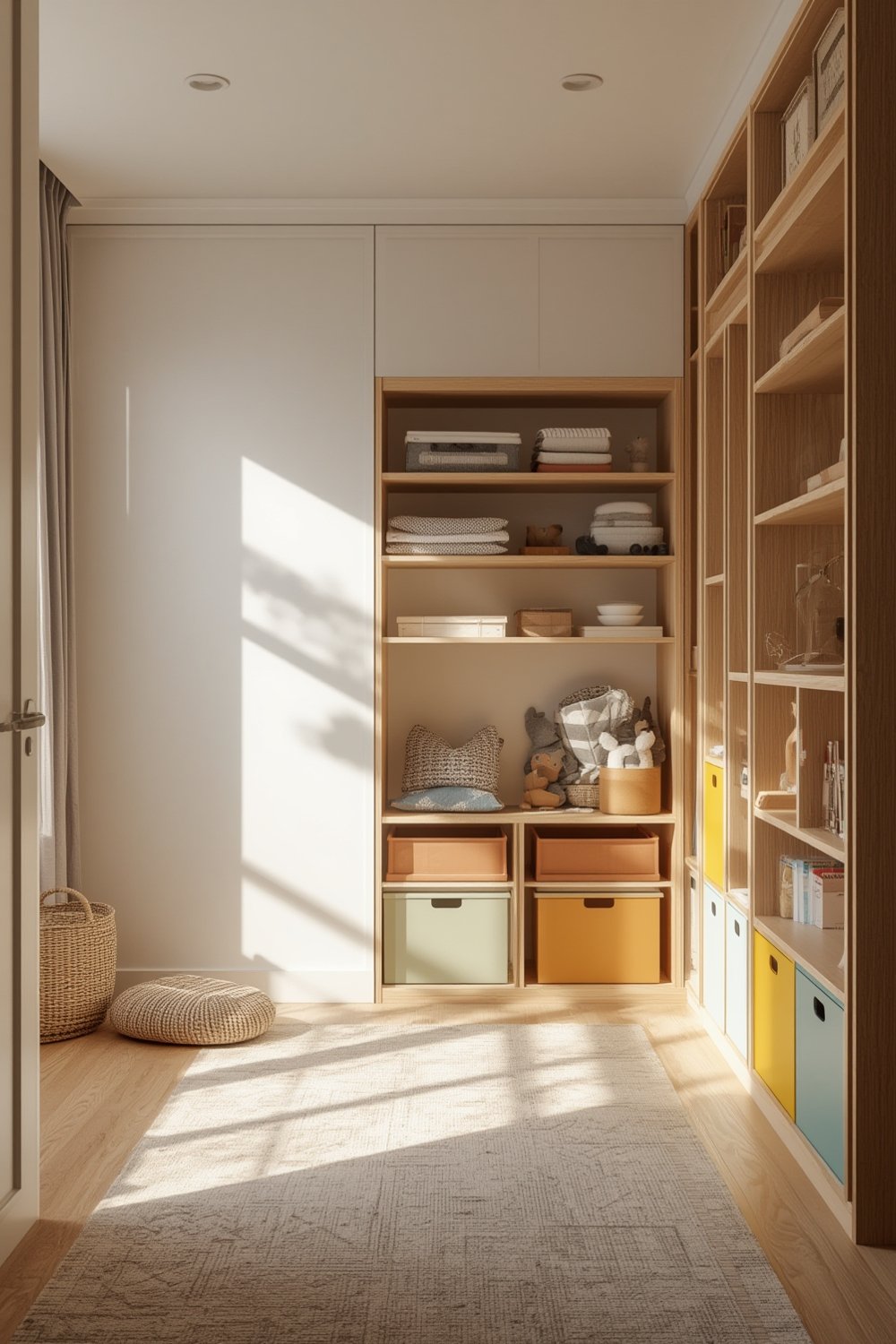
Because there are few aggregated reviews available online you must treat marketing claims with caution. Buyers often discover real world problems only after assembly and daily use.
Top complaint themes
- Durability issues with thin boards connectors and paint that chips quickly.
- Assembly that needs multiple people unclear instructions or missing hardware.
- Units that wobble when stacked or fail to anchor safely to a wall.
- Designs that are not child friendly such as bins too high handles too small or parts that pinch fingers.
Search engines currently show no consolidated negative review index for stackable toy organizers or customizable bedroom cubbies which leaves a gap. That means you should proactively verify materials warranty and user photos before you buy.
Learn how to match storage style to Montessori priorities on our montessori-style toy storage guide.
Montessori Style Toy Storage for Small Bedrooms What Competitor Content Misses
Most competitor articles show pretty shelves and labeled baskets but they miss three practical features parents need to evaluate.
Undercovered features
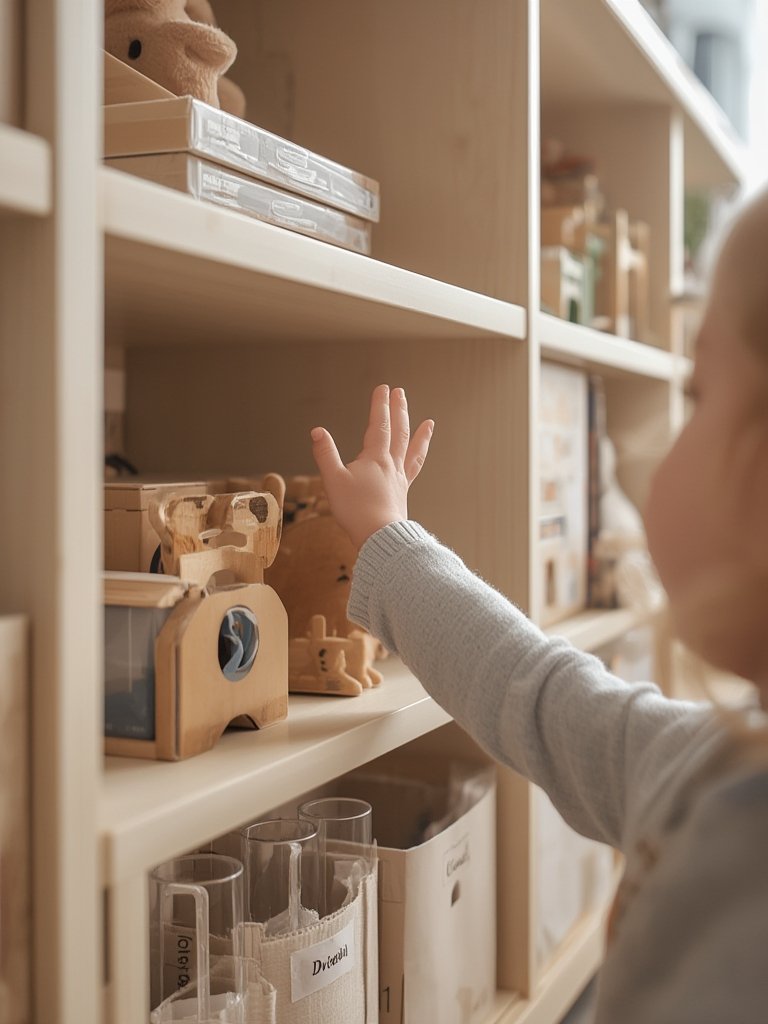
- True child height access not just low shelves but proportional bin depths and clear sight lines.
- shallow bins and open trays through neutral face panels and hidden bins that still allow self selection.
- Return cues and task sized containers that make putting things away obvious and manageable.
Montessori style toy storage for small bedroom organization must do more than look right. It must enable child led organization tools that let kids choose and return items without parental help. Many sellers omit this evaluation which is why parents still feel uncertain.
See examples and product picks in our minimalist playroom shelving collection.
Best Price Ranges and Lifespan Expectations in 2024–2026
There is limited public market research covering average price and lifespan for flexible kids storage systems in the 2024 to 2026 marketplace. From retailer listings and manufacturer specs you can build realistic expectations.
Price bands to expect
- Budget kits under 150 good for temporary needs but often shorter lifespan and weaker hardware.
- Mid range 150 to 450 better materials thicker boards and more secure connectors suitable for multiple children.
- Premium systems above 450 usually offer solid wood metal fittings and modular expansibility with warranties.
Lifespan expectations
- Budget kits often show heavy wear in two to three years in active use.
- Mid range systems commonly last five to eight years with normal care.
- Premium built systems can last a decade or more and often have replaceable parts.
If you plan to move the furniture between rooms or reuse it for another child choose systems with replaceable bins and clear warranty terms on finishes and connectors. For wardrobe needs see our guide on adjustable kids wardrobes.
How Montessori Principles Show Up in Real Furniture Designs
Montessori design centers on independence order accessibility and child sized proportions. Good modular furniture translates those principles into measurable features.
Design features that support Montessori outcomes
- Lower shelf heights that let children see all options at a glance which speeds decision making.
- Shallow bins and open trays that avoid deep hidden spaces where items get lost.
- Neutral finishes and limited visual patterning to reduce distraction and sensory overload.
Documented benefits from Montessori oriented environments include easier cleanup and greater autonomy though public articles rarely link those results to specific commercial products. For Montessori teaching resources see Montessori organizations.
For safety guidelines from health authorities consult the American Academy of Pediatrics AAP site. For independent product testing see Consumer Reports.
What to Look for in Specs Dimensions Materials Weight Limits and Modularity
When evaluating products online or in store use this targeted specs checklist. Ask for exact figures before you buy.
| Spec | Why it matters | What to look for |
|---|---|---|
| Unit height and actual usable shelf height | Determines child access and sight lines | Measure so front shelf is at or below child eye level for toddlers |
| Material type and finish | Affects durability VOC exposure and cleanability | Prefer solid wood or thick plywood with child safe finishes |
| Weight load per shelf and connection type | Prevents collapse when kids climb or lean | Check weight limit and wall anchor recommendations |
| Modularity options | Shows if unit can expand or change use | Look for interchangeable bins and stackable approved connectors |
Also inspect assembly complexity. If instructions list advanced tools and many small fasteners that can signal long install times and missing parts risk.
For product ideas that match these specs see our posts on flexible kids storage systems and customizable bedroom cubbies.
Real Families Before and After Room Transformations
There are few documented before and after case studies publicly indexed so I include representative scenarios you can reuse as templates. Each example lists square footage budget and solutions used.
Case 1 Compact apartment shared room 85 square feet budget 200
- Problem Small floor area cluttered with toys and a twin bed.
- Solution Low modular shelf with three fabric bins wall hooks and a narrow wardrobe unit.
- Result Floor cleared play zone created easier cleanup habits and child could reach all toys.
Case 2 Small home single child 100 square feet budget 600
- Problem Overflow of books and seasonal clothes.
- Solution Mid height stackable cubbies with drawer inserts adjustable hanging rod and labeled trays.
- Result Storage consolidated saved space and wardrobe became child accessible for morning routines.
These examples mirror the outcomes families seek. For visuals and product links check our modular storage inspiration gallery at modular storage furniture for kids rooms.
How to Choose the Right Modular Setup for Your Space
Use this decision framework to select a setup that fits your room child and budget.
Step by step selection framework
- Measure the room and note usable wall length and floor clearance around doors and radiators.
- Decide the primary goal toy storage wardrobe or full system.
- Choose child height and bin depth to match the youngest user.
- Set a budget range and target material quality within that range.
- Check assembly complexity plus warranty and replacement parts availability.
- Plan anchoring layout for safety especially in taller stacks.
Cross check potential buys against user posted photos and ask sellers for exact specs. If a product listing lacks dimensions ask for them. If a product has a poor return policy that increases risk for small spaces.
Conclusion
Modular storage furniture for kids rooms is a practical solution for families in apartments small homes or shared bedrooms when you evaluate durability child access and real modularity rather than marketing alone.
Use the specs checklist and decision framework above. Prioritize child sized access and replaceable parts over clever looks. If you want step by step product comparisons check our buying guides and product pages linked through this article.
Ready to pick the right system for your room schedule a measurement note your budget and try a mid range modular starter before you expand. Click through to our buying checklist or contact us for a free layout suggestion.
FAQ
What makes storage truly modular?
Modular means you can rearrange expand or repurpose core components without replacing the whole unit. Look for interchangeable bins stackable frames and replaceable connectors.
How do I make sure a unit is safe for toddlers?
Check weight limits ensure the unit can anchor to the wall verify there are no exposed small parts and confirm finishes are labeled child safe or low VOC.
Can Montessori style storage work in a shared bedroom?
Yes. Choose separate low access zones for each child, label containers with icons and maintain neutral styling to reduce visual overload.
How long should I expect my storage to last?
Budget units often show heavy wear in two to three years. Mid range units typically deliver five to eight years. Premium systems can last a decade or longer with maintenance.
Are stackable toy organizers safe when kids climb on them?
Only if the manufacturer specifies climbing load and includes wall anchoring. Never rely on stackability alone for climbing resistance.